

Sustainability · 2025
In this section50 topics
- Sustainability Policy2 items
- Sustainability Goals & UN SDGs3 items
- Policy Review3 items
- Business Value Chain1 item
- Stakeholder Analysis1 item
- Environmental Policy & Guidelines3 items
- Environmental Policy Review1 item
- Energy — Plan & Guidelines2 items
- Energy — Electricity Consumption1 item
- Energy — Fuel Consumption1 item
- Energy — Targets2 items
- Energy — Performance & Outcomes2 items
- Water — Plan & Guidelines2 items
- Water — Withdrawal, Discharge & Consumption1 item
- Water — Targets2 items
- Water — Performance & Outcomes2 items
- Waste — Plan & Guidelines2 items
- Waste — Generation, Disposal & Recycling1 item
- Waste — Targets2 items
- Waste — Performance & Outcomes2 items
- GHG — Plan & Guidelines2 items
- GHG — Emissions1 item
- GHG — Emissions Verification2 items
- GHG — Principles & Standards1 item
- GHG — Targets1 item
- GHG Targets — Net Zero1 item
- GHG Targets — Carbon Neutrality1 item
- GHG — Performance & Outcomes2 items
- Environmental Legal Incidents1 item
- Social Policy & Guidelines3 items
- Social Policy Review2 items
- Social — Principles & Standards Practised1 item
- Human Rights Due Diligence2 items
- Employees — Plan & Guidelines3 items
- Employees — Workforce1 item
- Employees — Remuneration & Provident Fund1 item
- Employees — Training & Development2 items
- Employees — Occupational Health & Safety2 items
- Employees — Labour Relations2 items
- Employees — Employee Representation3 items
- Employees — Targets2 items
- Employees — Performance & Outcomes2 items
- Customers — Plan & Guidelines3 items
- Customers — Satisfaction Results1 item
- Customers — Targets2 items
- Customers — Performance & Outcomes3 items
- Community & Social — Plan & Guidelines3 items
- Community & Social — Targets2 items
- Community & Social — Performance & Outcomes2 items
- Law Violation Incidents1 item
Sustainability Policy
Has a Sustainability Policy
Yes
Policy Description
The Company is committed to conducting business with a focus on sustainable growth, recognizing its responsibilities toward all stakeholders throughout the value chain. The Company operates under the principles of good corporate governance, transparency, fairness, and compliance with applicable laws, regulations, and relevant international standards.
Sustainability principles are integrated into the Company’s business strategy and operations, aiming to create long-term value while maintaining a balanced approach across the economic, social, and environmental dimensions. The Company also supports the United Nations Sustainable Development Goals (SDGs) to respond effectively to stakeholder expectations and contribute to sustainable development. The key approaches in each dimension are as follows:
Economic Dimension
The Company focuses on responsible and transparent business practices to ensure sustainable growth and long-term value creation. This includes strengthening corporate governance, developing innovative products and services that respond to customer needs and future market trends, and ensuring product safety for consumers while minimizing environmental impacts. In addition, the Company promotes circular economy principles and collaborates with partners across the supply chain to enhance sustainability standards and responsible business practices.
Social Dimension
The Company places great importance on employee well-being and the development of human capital while ensuring fair and equitable treatment of all stakeholders. The Company respects human rights and promotes a diverse and inclusive workplace that values participation, mutual respect, and collaboration. Continuous learning and capability development, including reskilling and upskilling, are encouraged to strengthen employees’ competencies and support the Company’s growth strategy. Furthermore, the Company prioritizes occupational health and safety and actively contributes to improving the quality of life in communities where it operates.
Environmental Dimension
The Company is committed to minimizing environmental impacts from its operations through effective environmental management practices. This includes the conservation of natural resources, pollution prevention, and the protection of ecosystems and biodiversity. The Company continuously improves production processes and operational efficiency through the adoption of modern technologies and innovations, while promoting circular economy practices to optimize resource utilization. In addition, the Company focuses on reducing greenhouse gas emissions and increasing the use of renewable and clean energy to support its long-term carbon neutrality goals.
The Company communicates its sustainability policies and guidelines to directors, executives, and employees at all levels to ensure effective implementation across the organization. Clear sustainability targets and action plans are established to support the integration of sustainability into business operations and organizational culture, while responding to global challenges such as economic volatility and climate change.
The Company is committed to continuously reducing environmental impacts and contributing to greenhouse gas emission reduction efforts, with the long-term goal of achieving net-zero greenhouse gas emissions by 2050. Through these efforts, the Company aims to create sustainable value for all stakeholders across economic, social, and environmental dimension
Sustainability Goals & UN SDGs
Has Sustainability Goals
Yes
Goals Description
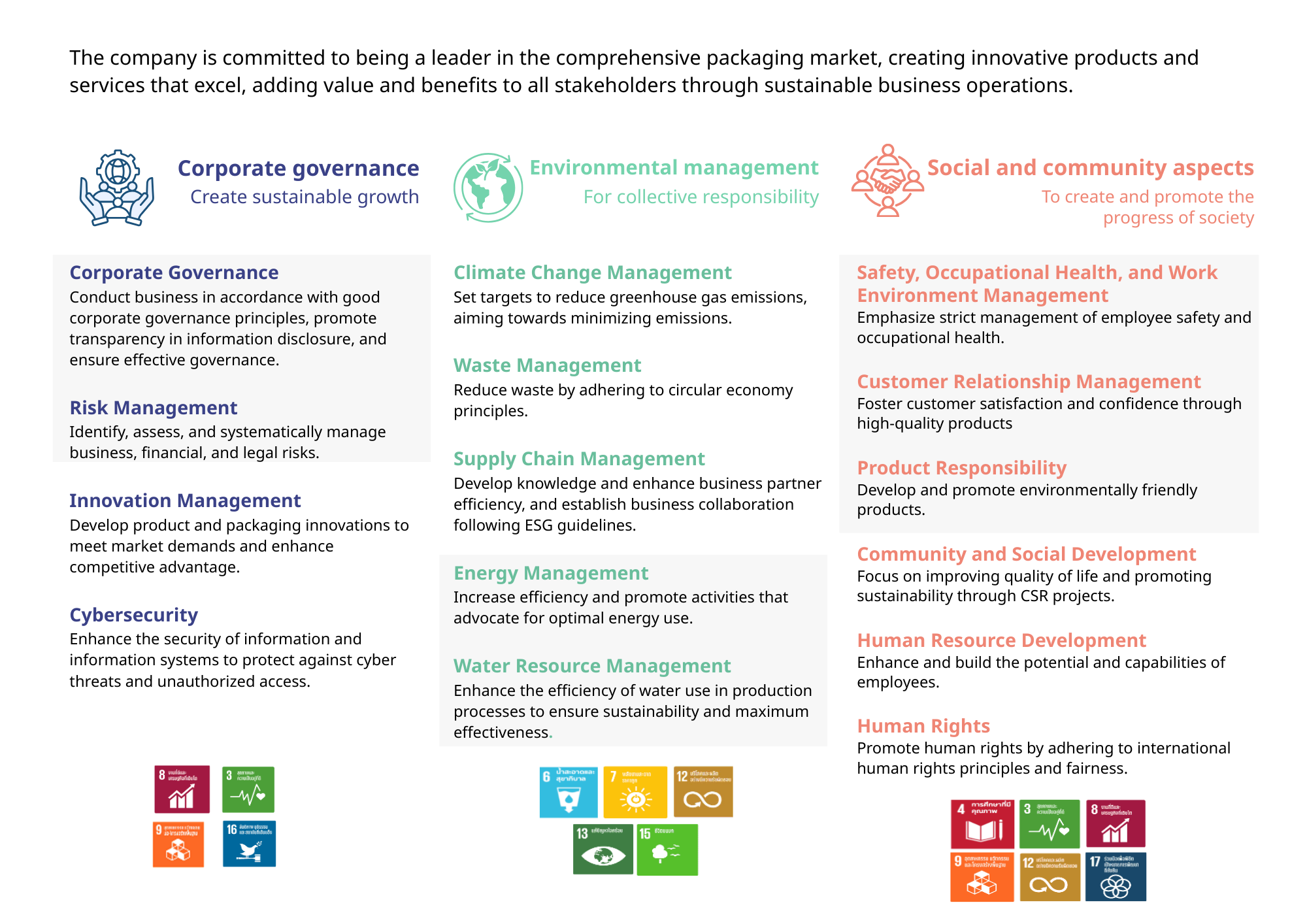
UN Sustainable Development Goals
| SDG Goal |
|---|
| Goal 3 Good Health and Well-being |
| Goal 4 Quality Education |
| Goal 6 Clean Water and Sanitation |
| Goal 7 Affordable and Clean Energy |
| Goal 8 Decent Work and Economic Growth |
| Goal 9 Industry, Innovation and Infrastructure |
| Goal 12 Responsible Consumption and Production |
| Goal 13 Climate Action |
| Goal 15 Life on Land |
| Goal 16 Peace, Justice and Strong Institutions |
| Goal 17 Partnerships for the Goals |
Policy Review
Policy Reviewed This Year
Yes
Policy Changed This Year
Yes
Review Details
The Company continues to uphold its Sustainable Development Policy and maintains its ongoing commitment to implementation. However, the Company has reviewed and updated its sustainability targets for 2025 to better align with the current business environment and national policy directions.
In 2025, the Company revised its climate change targets to align with Thailand's nationally declared commitments to the international community, specifically the goal of achieving Net Zero greenhouse gas emissions by 2050. In addition, the Company has incorporated Cyber Security as a new issue under its corporate governance framework, in order to strengthen the security of data and information systems and address the growing risks associated with digital technology.
Business Value Chain
Value Chain Description
The company is committed to conducting business for sustainable growth, recognizing its responsibility to all stakeholder groups throughout the value chain, and adhering to business operations under the principles of good corporate governance, transparency, fairness, and compliance with relevant laws, regulations, and international standards.
The company integrates sustainable development principles into its strategies and business operations, considering the balance across economic, social, and environmental dimensions to create long-term value for stakeholders and support the achievement of the United Nations' Sustainable Development Goals (SDGs). The operational guidelines for each dimension are as follows:
Stakeholder Analysis
Stakeholder Analysis
| Stakeholder Type | Stakeholders | Stakeholder Expectations | Response to Expectations | Communication Activities |
|---|---|---|---|---|
| Internal stakeholders | 2913 · Description: Shareholders | 1. Good corporate governance and effective risk management 2. Stable business growth, generating good and sustainable profits and returns 3. Successful operations in line with business objectives and goals 4. Respecting and protecting shareholders' rights equally and fairly 5. Disclosure of accurate, complete, transparent, and timely information for decision-making 6. Listening to opinions and suggestions for operational improvement 7. Business operations considering environmental, social, and governance (ESG) factors | 1. Conduct business under good corporate governance principles and efficiently implement the annual business plan. 2. Generate good and sustainable performance under stringent and prudent risk management. 3. Build confidence and provide appropriate returns to shareholders consistently. 4. Disclose operational results transparently, accurately, completely, and continuously. 5. Seriously consider feedback and suggestions to improve operations. | 2938 · Description: Visit · 2944 · Description: Annual General Meeting (AGM) · 2949 · Other name: 56-1 One Report / Sustainability Report · Description: Others |
| Internal stakeholders | 2921 · Description: Employees | 1. Appropriate welfare and compensation compared to businesses in the same industry group 2. Career advancement and job security 3. Fair and transparent annual performance appraisal 4. Appropriate and continuous knowledge and skill development 5. A safe working environment conducive to good health 6. Appropriate and sufficient safety equipment and facilities 7. Systematic channels for listening and expressing opinions | 1. Establish a welfare committee to continuously oversee and improve welfare. 2. Clearly define career paths. 3. Establish clear, fair, and measurable performance evaluation guidelines. 4. Arrange training and skill development plans aligned with job requirements. 5. Provide a working environment and equipment that meet safety standards. 6. Establish an Occupational Health, Safety, and Environmental Committee (OHSE). 7. Open channels for feedback and implement improvements effectively. 8. Communicate information to employees regularly through various internal media. 9. Promote operations with respect for human rights principles. | 2941 · Description: Online Communication · 2945 · Description: Complaint Reception · 2946 · Description: Employee Engagement Survey · 2947 · Description: Satisfaction Survey |
| External stakeholders | 2894 · Description: Creditor · 2925 · Description: Financial institution | 1. Consistent and timely repayment of debts in full. 2. Full compliance with contractual terms and conditions. 3. Robust risk management for business continuity. 4. Sound financial management, with complete and transparent disclosure of information. 5. Good management practices that create opportunities and foster sustainable growth. | 1. Hold discussions to reach a mutual conclusion regarding financial agreements and conditions. 2. Exchange risk management information and communicate continuously with accurate and clear data. 3. Disclose information transparently, completely, and continuously. | 2943 · Description: External Meeting · 2949 · Other name: 56-1 One Report / Sustainability Report · Description: Others |
| External stakeholders | 2902 · Description: Community · 2928 · Description: Society | 1. Operating a business that is socially responsible and environmentally friendly 2. Prioritizing safety and minimizing impacts on communities and the environment 3. Continuously promoting and supporting activities beneficial to the community 4. Employing persons with disabilities and local community personnel 5. Regularly listening to community opinions and needs 6. Transparent, well-governed, and trustworthy management | 1. Communicate and disclose business operational information fully and respond to situations promptly.2. Develop products and services with modern technology to reduce impacts on communities and the environment.3. Listen to feedback and regularly monitor impacts on communities.4. Continuously support and promote various activities with communities. | 2940 · Description: Social Event · 2941 · Description: Online Communication · 2945 · Description: Complaint Reception · 2947 · Description: Satisfaction Survey · 2949 · Other name: 56-1 One Report / Sustainability Report · Description: Others |
| External stakeholders | 2898 · Description: Competitors | 1. Operating business with transparency, ethics, and fair competition 2. Not infringing on competitors' rights or intellectual property 3. Exchanging opinions and jointly developing the industry | 1. Treat competitors fairly, adhere to ethical principles, and do not infringe intellectual property rights. 2. Develop appropriate channels for discussion and exchange of ideas. | 2941 · Description: Online Communication · 2949 · Other name: 56-1 One Report / Sustainability Report · Description: Others |
| External stakeholders | 2931 · Description: Government agencies and Regulators | 1. Strict adherence to relevant laws and regulations 2. Promotion of good corporate governance and anti-corruption efforts 3. Full and timely payment of taxes and fees 4. Cooperation with and support for government agency activities 5. Disclosure of accurate, complete, and timely information 6. Business operations consistent with and supportive of government policies 7. Reduction of environmental impact according to established standards | 1. Conduct business under good corporate governance principles and comply with relevant laws and regulations. 2. Participate in anti-corruption networks and promote good governance within the organization. 3. Manage tax affairs in full compliance with relevant laws and regulations. 4. Collaborate and support projects and activities of government agencies. 5. Disclose information transparently, accurately, and consistently. | 2941 · Description: Online Communication · 2943 · Description: External Meeting · 2948 · Description: Training / Seminar · 2949 · Other name: 56-1 One Report / Sustainability Report · Description: Others |
| External stakeholders | 2929 · Description: Media | 1. Accurate, prompt, up-to-date, and impartial communication of organizational information. 2. Conducting business with responsibility towards the economy, society, and the environment. 3. Transparency and credibility in the organization's operations. | 1. Disclose accurate, complete, appropriate, and clear operational information. 2. Cooperate with various organizations to promote environmental cooperation and circular economy. | 2941 · Description: Online Communication · 2945 · Description: Complaint Reception · 2949 · Other name: 56-1 One Report / Sustainability Report · Description: Others |
Environmental Policy & Guidelines
Has an Environmental Policy
Yes
Policy Description
The Company is committed to managing and mitigating environmental impacts arising from its business operations to support long-term sustainable business growth. The Company has established criteria and guidelines for environmental quality and biodiversity management, and supports investments to develop and improve operational processes in line with efficient and cost-effective resource and energy utilization. It focuses on developing environmentally friendly innovations, as well as promoting waste reduction and greenhouse gas emissions reduction, to enable the Company to effectively and sustainably cope with and adapt to climate change.
With these objectives, the Company's Board of Directors has established environmental management policies and processes that cover all key dimensions, including energy management, water management, waste management, and product development using resources efficiently according to the 5Rs principle: Reduce, Reuse, Recycle, Renewable, and Refuse (to use hazardous materials), to maximize resource utilization and reduce the use of hazardous substances that impact the environment.
Furthermore, the Company has set clear environmental targets, and communicates and educates employees at all levels to foster understanding and cooperation in adhering to the established guidelines. This includes continuous monitoring and evaluation of performance to systematically and sustainably develop and improve environmental efficiency by 2025 and beyond.
Environmental Guidelines
| Guideline |
|---|
| Electricity Management |
| Renewable/Clean Energy Management |
| Water Management |
| Waste Management |
| Biodiversity Management |
| Greenhouse Gas and Climate Change Management |
Environmental Policy Review
Policy Reviewed This Year
No
Energy — Plan & Guidelines
Has an Energy Management Plan
Yes
Plan Description
Thai O.P.P. Public Company Limited manages energy in alignment with Sustainable Development Goal (SDG) 7: Affordable and Clean Energy, by focusing on promoting maximum energy efficiency through continuous improvement and development of operational processes to create positive impacts on the community, society, and environment. The company prioritizes systematic performance monitoring and measurement and supports the application of renewable energy technologies and innovations to ensure efficient energy management and support long-term sustainable growth.
In 2025, the company has elevated its energy management approach to be more intensive and comprehensive through the establishment of policies, measures, and various activity programs to raise awareness and set guidelines for employees at all levels to utilize energy with maximum efficiency. The strategies and operational guidelines for energy management are as follows:
Strategies and Operational Guidelines
Improving production and operational processes for higher energy efficiency by regularly reviewing and analyzing energy loss points in the production process to plan targeted and effective improvements.
Continuously implementing energy-saving technologies within the organization, such as converting lighting systems to high-efficiency LEDs, installing Building Automation Systems (BAS), and utilizing high-energy efficiency equipment, to reduce overall energy consumption.
Supporting the use of renewable and clean energy in the company's operations. In 2025, the company further expanded the installation of solar rooftop power generation systems to increase the proportion of clean energy used in production processes and offices.
Setting clear and measurable energy reduction targets by monitoring and reporting energy consumption results against established targets.
Promoting an energy-saving culture within the organization through regular training and awareness campaigns for employees to foster consciousness and responsibility regarding energy use at all organizational levels. Reviewing and revising procurement policies to consider energy efficiency as a key criterion in selecting products and services to reduce energy consumption throughout the organization's value chain.
Energy — Electricity Consumption
Electricity Consumption
| Metric | Current Year | Previous Year | Two Years Ago |
|---|---|---|---|
| Total electricity consumption within the organization (Kilowatt-Hours) | 22,245,937 | 21,986,839 | 19,620,103 |
| Electricity purchased for consumption from non-renewable energy sources (Kilowatt-Hours) | 19,305,379 | 19,009,913 | 17,219,461 |
| Electricity purchased or generated for consumption from renewable energy sources (Kilowatt-Hours) | 2,940,558 | 2,976,926 | 2,400,642 |
Energy — Fuel Consumption
Fuel Consumption
| Metric |
|---|
| Crude oil (Barrels) |
| Coal (Metric tonnes) |
| Jet fuel (Litres) |
| Diesel (Litres) |
| Gasoline (Litres) |
| Fuel oil (Litres) |
| Natural gas (Standard cubic feet) |
| LPG (Kilograms) |
| Steam (Metric tonnes) |
Energy — Targets
Has Set Targets
Yes
Targets
| Target | Base Year | Base Year Value | Target Year | Target Change (%) | Unit | Per Unit (Intensity) | Per Unit — Please Specify |
|---|---|---|---|---|---|---|---|
| Reduction of electricity purchased for consumption | 2,024 | 1.15 | 2,025 | 5 | Kilowatt-hour | Kilogram of product | Kilogram of product |
Energy — Performance & Outcomes
Has Performance Results
Yes
Performance Description
The company aims to Reduce electricity purchased for use per unit of main product down 5 percent in 2025 compared to 2024. In 2025, electricity purchased for use per unit of main product was 1.19, an increase of 3.48 percent from 2024. The primary factor is the fluctuation in machine operating efficiency in certain production processes, which results in electricity consumption not being at its optimal level. The company has continuously prioritized improving energy efficiency through preventive maintenance, machine optimization, and close monitoring of energy consumption, in order to sustainably reduce energy consumption per unit of production.
In 2025, the company managed energy through various ongoing projects as follows:
Expand investment in clean energy (solar energy)
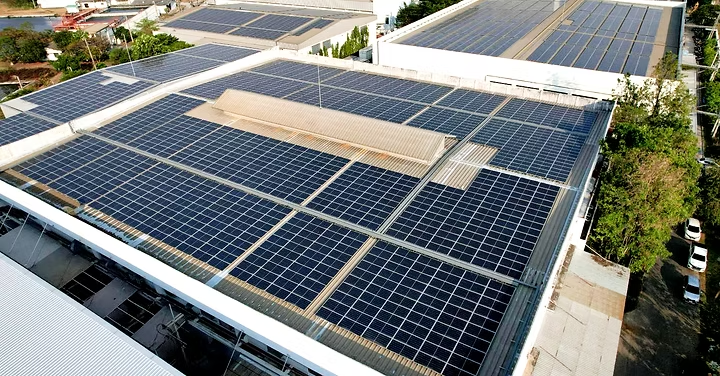
In 2025, the company further expanded its investment in solar power generation systems, with an additional capacity of 168.96 kilowatt-peak (kWp), to continuously increase the production of clean energy within the organization.
Project to expand the use of automatic electricity consumption control systems to factory areas
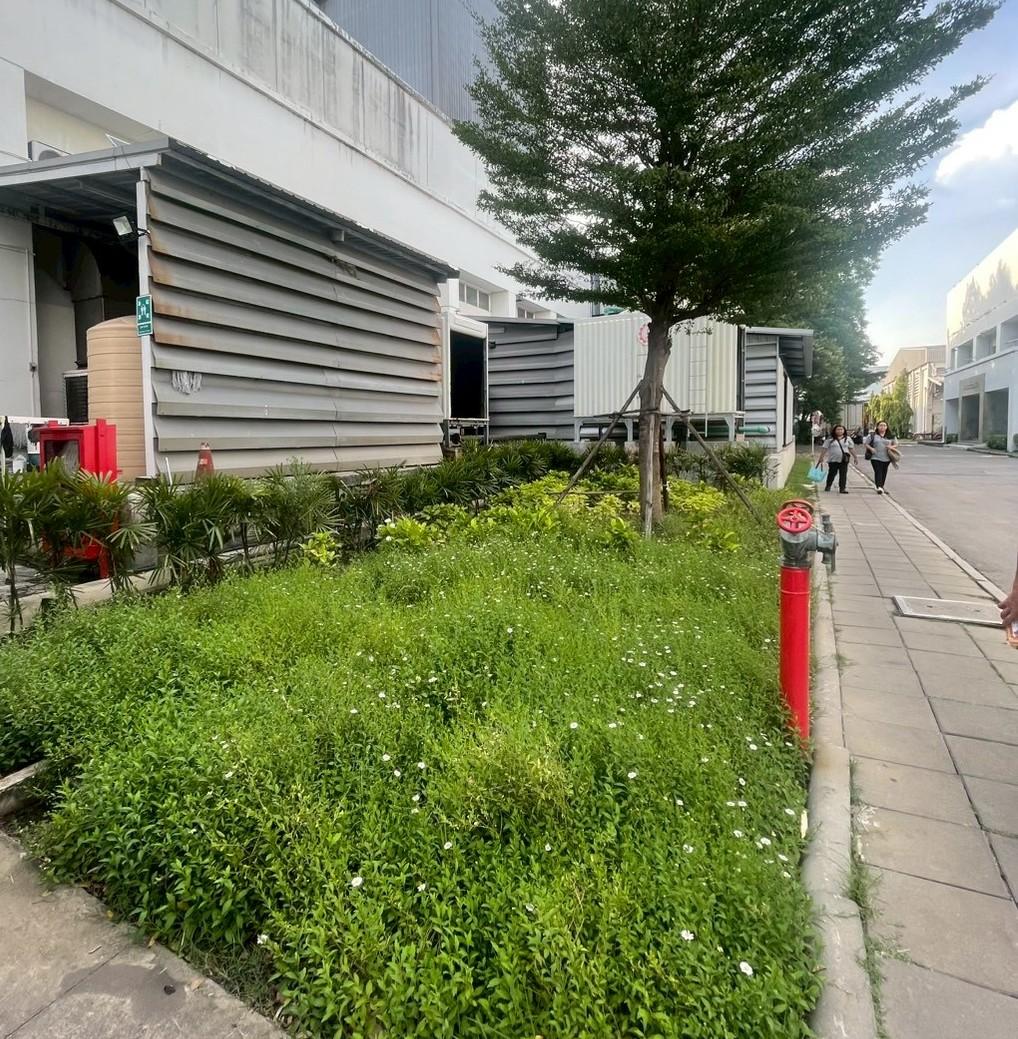
Following the implementation of the automatic light on/off sensor system installation project in office areas in 2024, in 2025, the company expanded this operation to the factory area at the Volgograd Industrial Estate branch in Chachoengsao Province, to enhance energy efficiency in operational areas and reduce unnecessary electricity consumption.
The company has implemented various electricity control systems, adapting them to suit the specific usage characteristics of each area, comprising:
Motion Sensor system for automatic control of lighting on/off in areas with intermittent use, such as restrooms, smoking rooms, corridors, and shoe-changing areas in the factory
Timer system ( for controlling the on/off of electricity or electrical appliances, such as air conditioners, in outdoor areas and areas with clear usage periods, such as building perimeter lighting, warehouses, and internal factory pathways.
Installation of Solar Lighting systems in certain areas such as parking lots, walkways, and areas surrounding the factory, to reduce electricity consumption from the main grid.
Project to enhance energy efficiency of the reclaim powder suction machine system Inverter
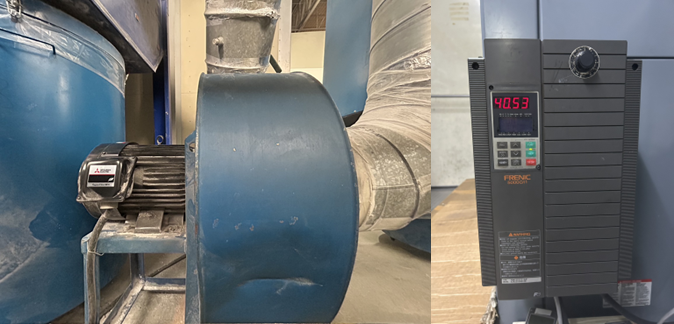
In 2025, the company improved the energy efficiency of the reclaim powder suction machine in the film production process by changing the power supply system from Direct to Inverter type and adjusting the operating frequency to match actual usage characteristics, thereby reducing unnecessary electricity consumption.
Project to promote internal energy saving participation
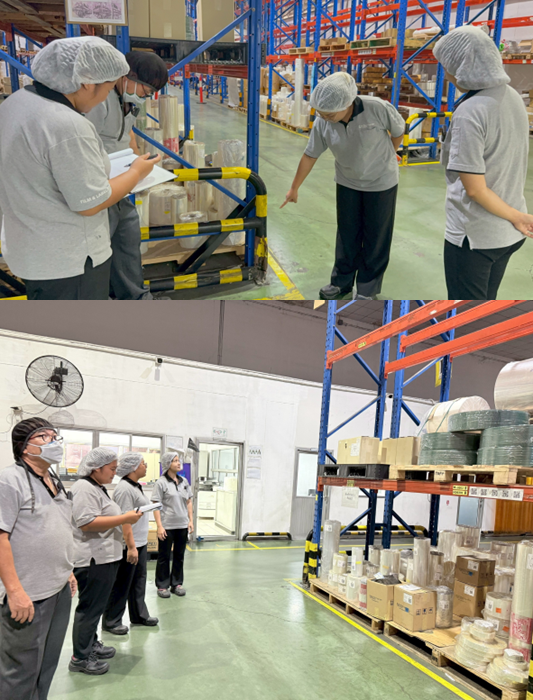
In 2025, the company continued its internal energy-saving campaign project, focusing on enhancing employee participation and fostering a stronger organizational culture of energy conservation. This was achieved through communication and awareness-building via public relations media, such as campaign signs for turning off lights when not in use in various areas, coupled with promoting 5S activities more effectively by integrating energy consumption audits as a regular part of the activities.
Furthermore, the company continues to monitor other projects, such as improving machine efficiency and electricity usage, and considering replacement machinery to reduce energy consumption and enhance efficiency.
Water — Plan & Guidelines
Has a Water Management Plan
Yes
Plan Description
The company has systematically controlled and monitored water usage in all processes, covering both domestic water consumption and usage in production processes, while analyzing significant water usage points to continuously improve water usage efficiency, including the application of the 3 Rs (Reduce, Reuse, Recycle) to be applied to increase water circulation rate and reduce water consumption from external sources.
In the year 2025, the company has elevated water management from a control-oriented approach to a proactive management approach, emphasizing the reduction of water consumption per unit of production, increasing water use efficiency in processes, and promoting employee participation in valuing water. Additionally, it has developed guidelines for water reuse in appropriate activities and reduced water loss from leaks or unnecessary usage.
Operational Guidelines and Water Management
Set targets and monitor water usage performance through indicators ( continuously, to control and reduce water consumption per unit of production.
Promote water reuse and internal water circulation within the organization to reduce reliance on external water sources ( Water Reuse & Circulation)
Promote and support the improvement of equipment or machinery efficiency that can reduce water consumption.
Regularly inspect and maintain piping systems and equipment to reduce unnecessary water loss.
Efficiently manage wastewater by controlling the quality of effluent to comply with legal requirements before discharge into the environment.
Promote employee participation and foster awareness of sustainable water usage within the organization.
Water — Withdrawal, Discharge & Consumption
Water Withdrawal, Discharge & Consumption
| Metric | Current Year | Previous Year | Two Years Ago |
|---|---|---|---|
| Total water withdrawal (Cubic meters) | 23,417 | 22,903 | 26,455 |
| Total water withdrawal by third-party water (Cubic meters) | 23,417 | 22,903 | 26,455 |
| Total water withdrawal by surface water (Cubic meters) | |||
| Total water withdrawal by groundwater (Cubic meters) | |||
| Total water withdrawal by seawater (Cubic meters) | |||
| Total water withdrawal by produced water (Cubic meters) | |||
| Percentage of wastewater treated before discharge (%) | |||
| Total water discharge (Cubic meters) | 18,734 | 18,322 | 21,164 |
| Total water discharge to third-party water (Cubic meters) | |||
| Total water discharge to surface water (Cubic meters) | |||
| Total water discharge to groundwater (Cubic meters) | |||
| Total water discharge to seawater (Cubic meters) | |||
| Total water consumption (Cubic meters) | 4,683 | 4,581 | 5,291 |
| Recycled water (Cubic meters) |
Water — Targets
Has Set Targets
Yes
Targets
| Target | Base Year | Base Year Value | Target Year | Target Change (%) | Unit |
|---|---|---|---|---|---|
| Reduction of water withdrawal | 2,024 | 22,903 | 2,025 | 5 | Cubic meters |
Water — Performance & Outcomes
Has Performance Results
Yes
Performance Description
In 2025, the company's external water consumption was 23,417 cubic meters, an increase of 2.25 percent from 2024, which had an external water consumption of 22,903 cubic meters. This increase was partly due to water loss in the internal water supply system. The company systematically investigated and monitored the causes and found signs of abnormalities in some underground water pipes.
To address this, the company has undertaken system improvements by replacing and installing new pipes, along with implementing enhanced measures for close monitoring and tracking of the water supply system's efficiency to prevent water loss and improve water utilization efficiency in the long term.
The company continuously manages water through various ongoing projects, as follows:
In-plant Water Recycling Management Project
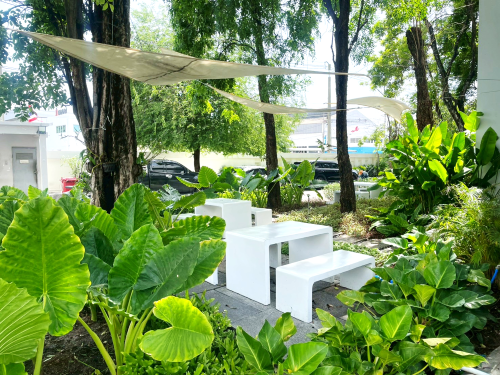
The company utilizes water from the production process, which has been treated by a Reverse Osmosis (RO) system, for supporting activities such as equipment washing, area cleaning, and appropriate maintenance of green spaces within the factory.
Such water reuse not only reduces the need for external fresh water but also decreases the volume of wastewater entering the treatment system, leading to more efficient water resource utilization. This approach also enhances flexibility in internal water management and supports environmental operations in alignment with long-term sustainability practices.
Project to Switch to Solvent-Free Offset Printing Plates and Reduce Water Usage
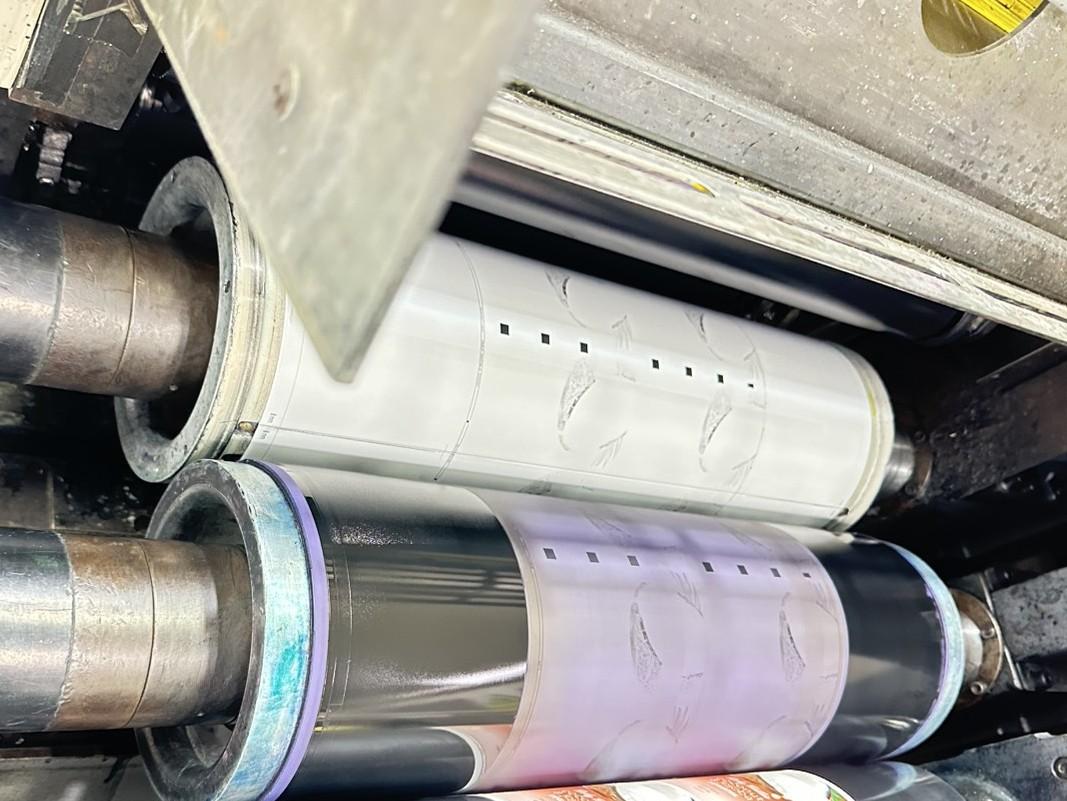
The company has switched to a new type of offset printing plate that does not require plate cleaning solution and reduces water usage for rinsing the solution in the production process. This effectively streamlines the plate cleaning process, eliminates chemical usage, and reduces final rinse water in the process.
Furthermore, we regularly maintain and inspect the water supply system to detect leaks in both production and consumption processes, thereby reducing unnecessary water loss.
Waste — Plan & Guidelines
Has a Waste Management Plan
Yes
Plan Description
The company prioritizes systematic waste management, covering the entire value chain ( Value Chain), from controlling waste generation in the production process to maximizing the beneficial reuse of resources. by driving operations under the concept of a circular economy ( Circular Economy), aiming to reduce the consumption of new resources and the amount of waste requiring disposal through enhancing production process efficiency, designing operational processes to minimize waste at the source, and promoting the reuse and repurposing of materials according to the 5Rs principles: Refuse, Reduce, Reuse, Recycle, and Recover.
In the year 2025, the company manages waste through the establishment of guidelines, continuous monitoring and data analysis, as well as fostering employee engagement to collectively identify concrete approaches for waste reduction. and strictly adhering to relevant legal requirements and standards. Hazardous waste is managed through authorized disposal contractors to ensure that all processes are transparent, auditable, and sustainably minimize environmental impact.
Waste — Generation, Disposal & Recycling
Waste Generation, Disposal & Recycling
| Metric | Current Year | Previous Year | Two Years Ago |
|---|---|---|---|
| Total waste generated (Kilograms) | 1,994,988 | 1,945,161 | 1,286,660 |
| Non-hazardous waste (Kilograms) | 1,973,619 | 1,927,781 | 1,276,190 |
| Non-hazardous waste - Landfilling (Kilograms) | 32,225 | 29,338 | |
| Non-hazardous waste - Incineration (with energy recovery) (Kilograms) | 1,941,394 | 1,898,443 | |
| Non-hazardous waste - Incineration (without energy recovery) (Kilograms) | |||
| Non-hazardous waste - Other disposal operations (Kilograms) | |||
| Hazardous waste (Kilograms) | 21,369 | 17,380 | 10,470 |
| Hazardous waste - Landfilling (Kilograms) | 1,824 | ||
| Hazardous waste - Incineration (with energy recovery) (Kilograms) | 19,545 | 17,380 | 10,470 |
| Hazardous waste - Incineration (without energy recovery) (Kilograms) | |||
| Hazardous waste - Other disposal operations (Kilograms) | |||
| Total reused/recycled waste (Kilograms) | |||
| Reused/Recycled non-hazardous waste (Kilograms) | |||
| Reused non-hazardous waste (Kilograms) | |||
| Recycled non-hazardous waste (Kilograms) | |||
| Reused/Recycled hazardous waste (Kilograms) | |||
| Reused hazardous waste (Kilograms) | |||
| Recycled hazardous waste (Kilograms) |
Waste — Targets
Has Set Targets
Yes
Targets
| Waste Type | Disposal Approach | Target | Base Year | Base Year Value | Target Year | Target Change (%) | Unit |
|---|---|---|---|---|---|---|---|
| Hazardous waste | 2760 · Description: Landfilling · 2761 · Description: Incineration with energy recovery | Reduce waste volume | 2,024 | 17,380 | 2,025 | 5 | Kilograms |
Waste — Performance & Outcomes
Has Performance Results
Yes
Performance Description
In 2025, the company generated a total of 1,995 tons of waste, of which 1,941 tons were recyclable waste, accounting for 97.3% of the total waste volume. This reflects the efficiency of waste management and the optimal utilization of resources.
The company's total hazardous waste amounted to 21.4 tons, an increase of 23% compared to 2024. This increase was primarily due to the improvement of waste segregation and classification processes to be more stringent and compliant with legal and environmental requirements, thereby enabling accurate and complete identification and management of hazardous waste.
The company prioritizes efficient waste management alongside the optimal and beneficial use of resources. It focuses on reducing waste generated from operational processes, reusing materials, and managing waste correctly according to environmental principles. The company encourages employees at all levels to participate in proposing ideas and approaches to improve work processes, thereby reducing waste generation and enhancing resource efficiency. Through this collaboration, the company has developed and implemented waste management and resource reuse projects with the aim of increasing the proportion of circular resource use, reducing environmental impact, and continuously fostering an organizational culture that values sustainability, as follows:
Strapping Reuse Project PET Reuse (PET Strapping Reuse Project)

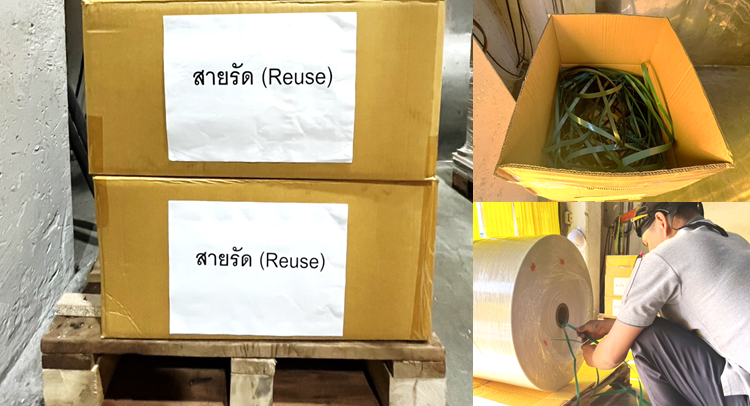
The company implemented a project to reuse PET plastic strapping to reduce plastic waste from the transportation process and maximize resource utilization efficiency. This involves segregating suitable PET strapping from production and delivery processes, followed by initial quality checks such as strength, flexibility, and cleanliness, before reusing them in both internal and external delivery processes to ensure safe usage.
Circular Chemical Packaging Management Project
The company promotes efficient resource utilization in collaboration with its partners by selecting chemical suppliers (Thinner) with appropriate environmental practices, who can accept returned original packaging for reuse. Each time chemicals are delivered, the supplier collects the empty containers for cleaning and recirculation, which helps reduce packaging waste and the use of new resources in the procurement process.
Project to Enhance Material Reuse Efficiency in Production Process
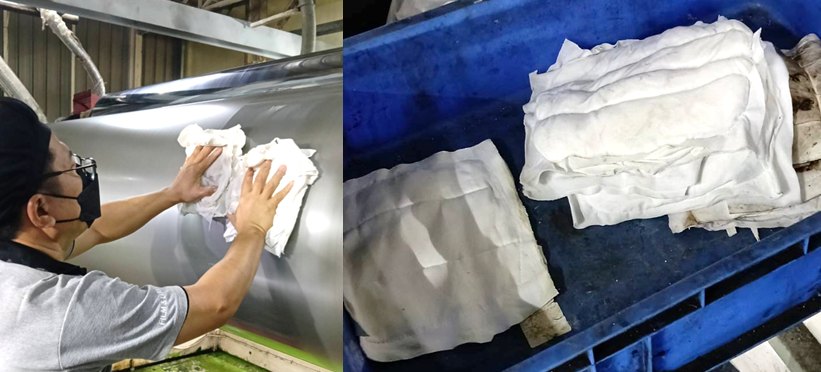
In 2025, the company implemented a project to reuse contaminated materials from the film production process, aiming to reduce hazardous waste and unnecessary use of new resources. This involved segregating chemical-contaminated roller cleaning cloths and reusing them in activities that do not affect production quality, such as maintenance work and oil collection during machine maintenance in the engineering department. This effectively reduced the consumption of new materials and decreased the volume of hazardous waste.
GHG — Plan & Guidelines
Has a GHG Management Plan
Yes
Plan Description
The company aims to mitigate impacts and enhance readiness to address climate risks through improving energy efficiency, transitioning to renewable energy, and developing production technologies that reduce greenhouse gas emissions, coupled with continuous management and monitoring.
To concretely drive climate change operations, the company has established clear short-term and long-term targets, covering both greenhouse gas emission reduction and the pursuit of carbon neutrality, in line with sustainable development directions and relevant international standards, including:
Greenhouse Gas Management Operational Targets.
Achieve organizational carbon neutrality by 2030.
Reduce greenhouse gas emissions with the goal of achieving Net Zero Emissions by 2050.
Reduce greenhouse gas emissions. 5 percent. By 2027, from 2024.
Under this framework, in 2025, the company continuously prepared its Carbon Footprint of Organization (CFO) to serve as a crucial tool for monitoring, evaluating, and enhancing the efficiency of organizational greenhouse gas emission management. This ongoing effort reflects the company's commitment to transparent and verifiable environmental management, while also demonstrating measurable quantitative progress each year, which is a fundamental basis for long-term sustainable business operations.
The preparation of the organizational carbon footprint in 2025 was conducted under the guidance of consultant Dr. Chanon Winitchaiwit and verified by an agency certified by the Thailand Greenhouse Gas Management Organization (Public Organization) to enhance data reliability and ensure compliance with relevant criteria. The results of the organization's greenhouse gas emissions performance in 2025 are detailed in the next section.
GHG — Emissions
GHG Emissions
| Metric | Current Year | Previous Year |
|---|---|---|
| Total GHG emissions (Metric tonnes of carbon dioxide equivalent) | 44,526 | 48,152 |
| Total greenhouse gas emissions 1 (Metric tonnes of carbon dioxide equivalent) | 918 | 687 |
| Total greenhouse gas emissions 2 (Metric tonnes of carbon dioxide equivalent) | 9,651 | 9,503 |
| Total greenhouse gas emissions 3 (Metric tonnes of carbon dioxide equivalent) | 33,957 | 37,962 |
GHG — Emissions Verification
Emissions Verified by a Third Party
Yes
Verifying Body
2652
GHG — Principles & Standards
Principles & Standards Applied
| Standard |
|---|
| 2671 |
GHG — Targets
Has Set GHG Targets
Yes
GHG Targets — Net Zero
Net Zero Targets
| Emission Scope | Base Year | Base Year Emissions | Near-term Target Year | Near-term Target Change (%) | Long-term Target Year | Long-term Target Value | Long-term Target Change (%) | Target Year | Target Change (%) | Unit | Per Unit (Intensity) | Per Unit — Please Specify |
|---|---|---|---|---|---|---|---|---|---|---|---|---|
| 2716 | 2,024 | 48,152 | 2,027 | 5 | 2,050 | 0 | 100 | 2,027 | 5 | Metric tonnes of carbon dioxide equivalent | Metric ton of product | Metric ton of product |
GHG Targets — Carbon Neutrality
Carbon Neutrality Targets
| Emission Scope | Carbon Neutrality Certified | Base Year | Base Year Emissions | Target Year | Unit | Per Unit (Intensity) | Per Unit — Please Specify |
|---|---|---|---|---|---|---|---|
| 2716 | N | 2,024 | 10,190 | 2,030 | Metric tonnes of carbon dioxide equivalent | Metric ton of product | Metric ton of product |
GHG — Performance & Outcomes
Has Performance Results
Yes
Performance Description
In 2025, the company's total greenhouse gas emissions amounted to 44,526 tons of carbon dioxide equivalent, a decrease of 7.53 percent from the base year's 48,152 tons.
The company is committed to continuously reducing greenhouse gas emissions through enhancing energy efficiency, utilizing renewable energy, and improving production processes. It sets targets aligned with actual operations to achieve tangible reductions in greenhouse gas emissions by 2027 and establish a foundation for long-term climate management.
Project for Electricity Energy Management in Production Processes
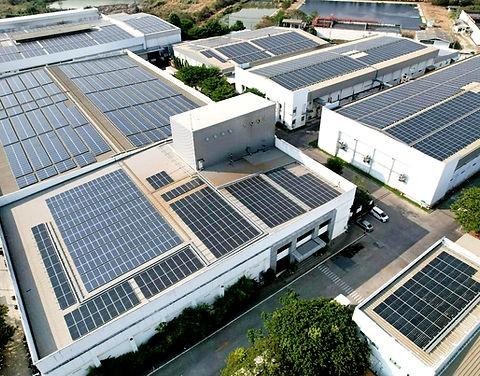
The company continuously promotes the use of clean energy by investing in the installation of solar cell systems to support energy consumption in production processes and reduce reliance on external energy sources.
In 2025, the company had a total installed capacity of 1,748.45 kilowatt-peak (kWp) and was able to utilize 2,940,558 kilowatt-hours (kWh) of solar electricity, which supported the reduction of overall greenhouse gas emissions from electricity consumption.
The company has continuously expanded its investment in solar cell systems to enhance its clean energy production potential. In 2025, electricity consumption from solar energy accounted for approximately 13.22 percent of total electricity consumption, remaining at a similar level to the previous year, despite an increase in overall electricity consumption due to production capacity expansion and machinery operation.
Project to Enhance the Efficiency of the Film Injection Room Cooling System
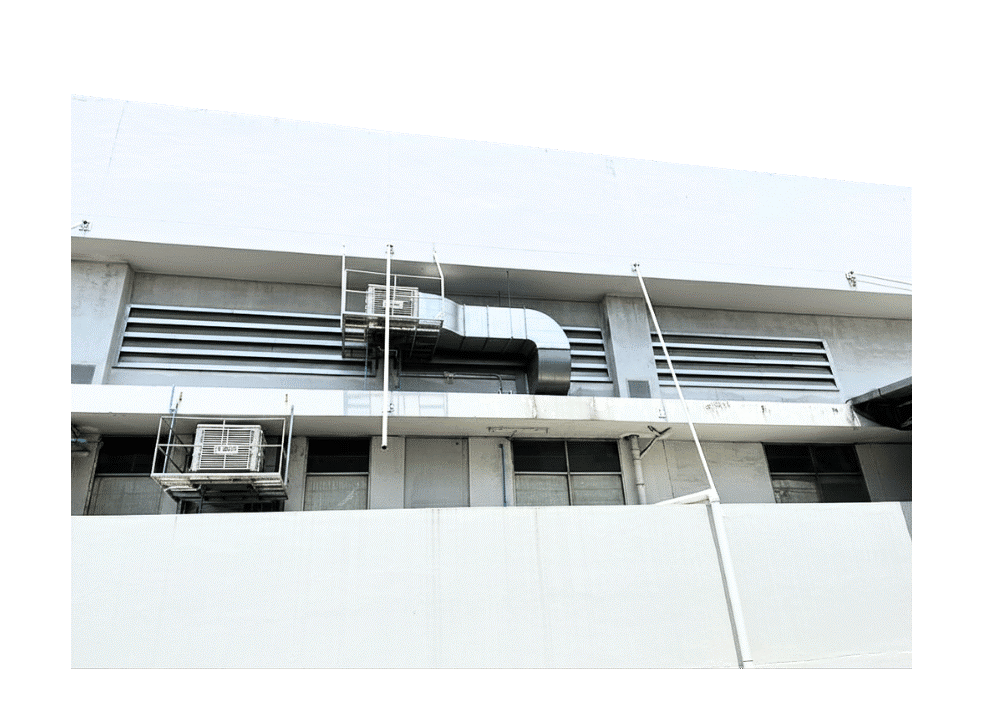
The company has upgraded the cooling system in the film production room to reduce electricity consumption and enhance temperature control efficiency. This involved transitioning from a high-energy-consuming large exhaust fan system to a more efficient Evaporative Air Cooling (EVAP) system. The operational results show a reduction in electrical power of 3.80 kilowatts, equivalent to an energy saving of approximately 31,920 kilowatt-hours per year, and a reduction in energy costs of approximately 126,722 Baht per year, while also improving the production environment.
Environmental Legal Incidents
Legal Violation Incidents
| Metric | Current Year | Previous Year | Two Years Ago |
|---|---|---|---|
| Number of cases or incidents of legal violations or negative environmental impact (cases) | 0 | 0 | 0 |
Employees — Plan & Guidelines
Has an Employee Management Plan
Yes
Plan Description
Human Rights Action Plan, Employee and Labor Management of the Company
Reviewing policies and practices to enhance human rights operations
The company regularly reviews its human rights policies and practices annually, considering key sensitive issues in line with global trends, to enhance operational efficiency and adhere to international human rights principles.
Non-use of child labor and forced labor
The company has a clear policy against the use of child labor and forced labor in all business operations. It sets the minimum age for employees in accordance with labor protection laws and strictly verifies the qualifications of job applicants from the recruitment process onwards.
Freedom of association and employee participation
The company respects employees' rights to associate and express opinions freely. A company welfare committee has been established to represent employees in communicating and making suggestions to management, ensuring that all employees have channels for expression and receive appropriate care.
Non-discrimination and prevention of harassment
The company adheres to the principle of treating employees equally, without discrimination based on gender, age, race, religion, or disability, in recruitment, development, and promotion processes. It also has a policy to prevent all forms of harassment and conducts annual training for employees on this matter.
Fair compensation
The company provides employees with legally compliant compensation, covering wages, overtime pay, and various benefits. In 2025, the average wage ratio of female to male employees at the supervisory and professional level, and operational level (Non-management Level) was 1.08, reflecting the commitment to promoting gender equality within the organization.
Communicating human rights knowledge throughout the organization
Conduct training to communicate all organizational policies and practices related to human rights to employees, ensuring awareness, understanding, and compliance. Foster a human rights organizational culture and communicate human rights policies and guidelines through various channels, including public announcement boards and online channels within the company's Human Soft system.
Plan Areas
| Plan Area |
|---|
| Fair employee compensation |
| Employee training and development |
| Promoting employee relations and participation |
| Migrant/foreign labor |
| Child labor |
| Occupational health and safety in workplace |
Employees — Workforce
Workforce Data
| Metric | Current Year | Previous Year | Two Years Ago |
|---|---|---|---|
| Total number of employees (Persons) | 451 | 445 | 448 |
| Number of male employees (Persons) | 238 | 245 | 244 |
| Number of female employees (Persons) | 213 | 200 | 204 |
| Total employment of disabled persons (people) | 5 | 4 | 4 |
| Total disabled employees (people) | 5 | 4 | 4 |
| Total male disabled employees (people) | 2 | 1 | 1 |
| Total female disabled employees (people) | 3 | 3 | 3 |
| Total disabled workers who are non-employee (people) | |||
| Contributions to the fund for promoting and improving the quality of life for disabled persons | 0 | 0 | 0 |
| Total number of male employees in operational level (Persons) | 226 | 232 | 230 |
| Total number of male employees in management level (Persons) | 7 | 8 | 8 |
| Total number of male employees in executive level (Persons) | 5 | 5 | 6 |
| Total number of female employees in operational level (Persons) | 203 | 190 | 194 |
| Total number of female employees in management level (Persons) | 3 | 3 | 4 |
| Total number of female employees in executive level (Persons) | 7 | 7 | 6 |
Employees — Remuneration & Provident Fund
Remuneration & Provident Fund
| Metric | Current Year | Previous Year | Two Years Ago |
|---|---|---|---|
| Total disabled employees (people) | 204,586,186 | 193,069,336 | 180,796,078 |
| Total male employee remuneration (Baht) | 107,333,713 | 104,496,405 | 98,248,499 |
| Total female employee remuneration (Baht) | 97,252,473 | 88,572,931 | 82,547,579 |
| Number of employees eligible to participate in PVD (persons) | 451 | 445 | 448 |
| Total number of employees joining employee provident fund (Persons) | 236 | 243 | 238 |
| Percentage of total number of employees joining employee provident fund to total number of employees (%) | 52.33 | 54.61 | 53.13 |
| Number of PVD members / Total eligible employees (%) | 52.33 | 54.61 | 53.13 |
| Total amount of provident fund contributed by the Company (Baht) | |||
| Total amount of provident fund contributed by employee (baht) |
Employees — Training & Development
Introduction
In 2025, the company is committed to human resource development in alignment with the Sustainable Development Goals (SDGs), Goal 4: Quality Education, by emphasizing the promotion of lifelong learning and the comprehensive development of employee potential to accommodate future technological changes and business competition.
The company believes that personnel are its most valuable asset. Therefore, it focuses on developing knowledge, skills, and attitudes, alongside instilling ethics, morality, and a positive organizational culture, to foster "competent and virtuous individuals" who grow sustainably with the organization. This year, the development approach has been further modernized by utilizing digital technology to support learning and designing curricula aligned with future skills such as Digital Skills, Innovation, and AI to enhance the organization's competitive capabilities.
Approaches to personnel development
Systematic training aimed at developing fundamental and job-specific skills through In-house Training and On-the-Job Training (OJT) to enable employees to perform their duties efficiently and according to standards.
Training in accordance with legal requirements and safety standards, with an emphasis on fostering safety awareness and compliance with relevant laws, such as handling chemicals, using PPE, managing hazardous waste, crane operation, and safe forklift operation.
Succession planning development and preparation of high-potential personnel through job assignments, special projects, including coaching and mentoring, to prepare them for higher positions.
Development of management and leadership skills alongside essential skills in the current era, such as effective communication, teamwork, analytical thinking, and the use of digital tools like ChatGPT to enhance work efficiency.
Promoting internal organizational learning through the development of internal trainers to impart specialized knowledge and support the exchange of experiences among employees in various departments.
Providing opportunities for employees to undertake study visits both domestically and internationally, including cross-functional learning within the group of companies, to foster new perspectives, creativity, and further innovation in their work.
The company prioritizes monitoring the results of personnel development. Relevant data is utilized for consideration and continuous improvement of development approaches to support long-term personnel development.
Training Data
| Metric | Current Year | Previous Year | Two Years Ago |
|---|---|---|---|
| Average employee training hours (Hours / Person / Year) | 14.3 | 14.34 | 11.33 |
| Employee development and training expenses (baht) | 454,427 | 389,563 | 335,292 |
Employees — Occupational Health & Safety
Introduction
The company prioritizes comprehensive care for employee health, safety, and working environment. It aims to create a safe workplace free from accidents and work-related illnesses through proactive risk management, coupled with strict adherence to relevant laws and standards.
The operational guidelines are systematically developed, covering risk assessment, hazard control, enhancement of safety knowledge and awareness, as well as continuous monitoring and review of operational results. This is to prevent accidents, reduce injuries, and promote the well-being of employees, contractors, and all stakeholders.
Key Occupational Health and Safety Projects
1. Strengthening Safety Culture
Safety Day 2025
The company organized a Safety Day event to enhance knowledge, awareness, and safety consciousness among employees at all levels. The event included educational activities, creative activities, and employee participation to stimulate positive safety behaviors and continuously instill a "safety first" culture within the organization.
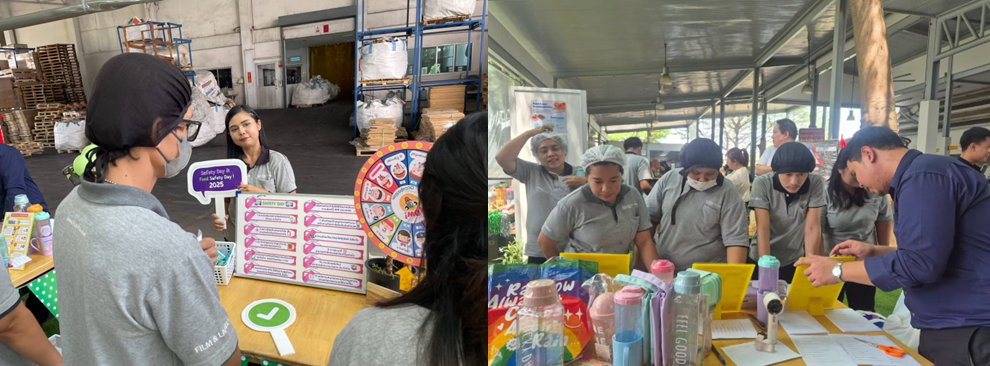
Safety Survey by the Safety Committee
The company conducts proactive safety surveys by systematically inspecting work areas to identify hazards, locate, and assess risk points or unsafe conditions before accidents occur. The Occupational Safety, Health, and Environment Committee serves as the primary mechanism for these operations. Identified issues are used to define corrective measures and are closely monitored to continuously elevate safety standards.
2 . Emergency Management and Preparedness
The company recognizes that effective emergency management is a crucial mechanism for minimizing loss of life, property, and environmental damage. Therefore, it has developed and regularly reviews emergency response plans to cover potential risks arising from business operations. The company conducts regular drills according to these plans to ensure that employees at all levels understand the procedures and can respond to incidents accurately and promptly.
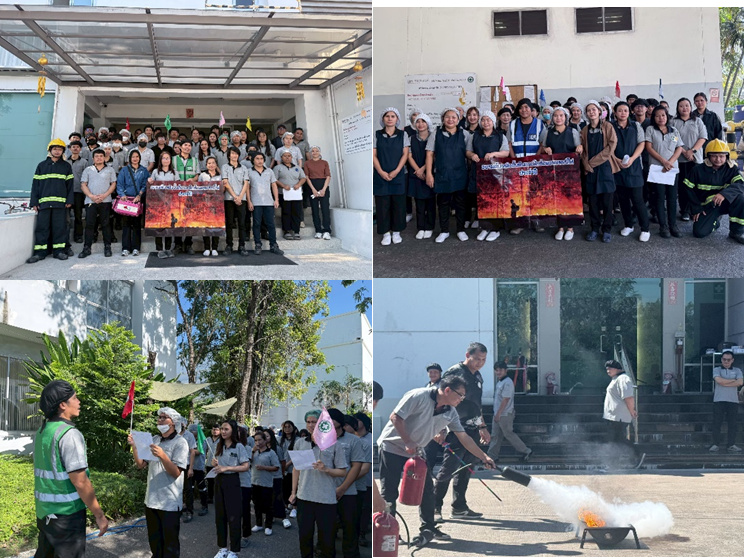
Basic Firefighting and Fire Evacuation Training
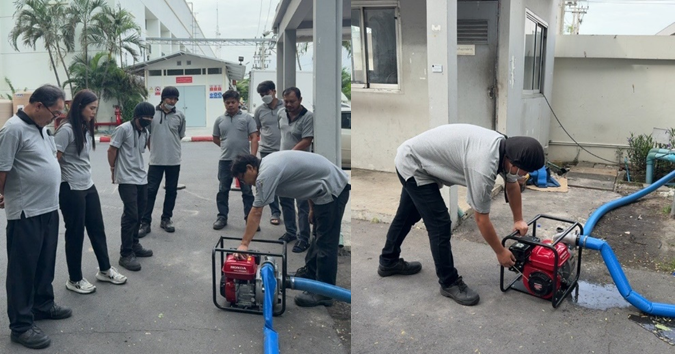
Emergency Preparedness and Response for Flooding
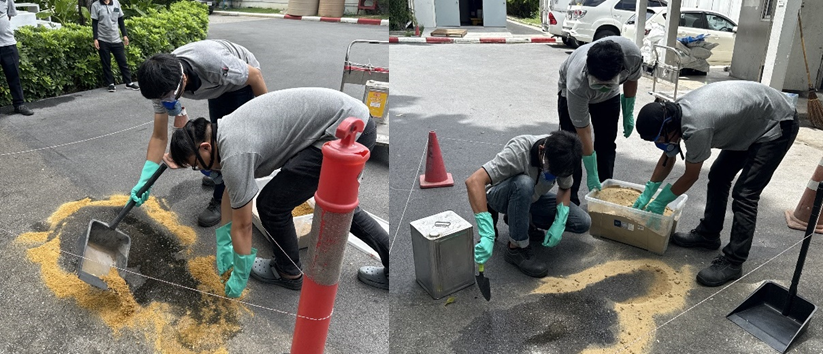
Emergency Preparedness and Response for Chemical Spills
3. Safety Competency Development
The company continuously emphasizes the development of employee potential, focusing on enhancing safety knowledge, skills, and attitudes in line with legal requirements, international standards, and specific risks associated with each job position. These actions are part of proactive risk management to control hazards at the source, reduce the likelihood of accidents, and build a sustainable safety culture within the organization. The company provides both theoretical and practical training courses, along with pre- and post-training evaluations, and monitors the effectiveness of applying the acquired knowledge in actual work areas. Key courses include:
Forklift Safety Training as Required by Law
Electrical Safety at Work
Defensive Driving Techniques Training
Training for Crane Operators and Signal Persons
First Aid
4. Promotion of Well-being and Employee Healthcare
The company prioritizes promoting the well-being of its employees, both physically and in terms of health behaviors. It organizes training activities to educate employees about the effects of kratom consumption and illicit drugs, delivered through lectures by medical personnel. This aims to foster a correct understanding of the impacts on health, workplace safety, and operational efficiency. These initiatives are designed to reduce risky behaviors, build mental resilience, and support a safe and drug-free working environment.
Occupational Health & Safety Data
| Metric | Current Year | Previous Year | Two Years Ago |
|---|---|---|---|
| Total number of lost time injury incidents by employees (Cases) | 6 | 8 | 9 |
Employees — Labour Relations
Introduction
The company prioritizes employee engagement alongside promoting quality of life at work, by focusing on creating an environment conducive to participation, collaboration, and a long-term sense of belonging to the organization.
In 2025, the company conducted various activities to strengthen internal relationships and unity within the organization, such as the annual party, to provide employees with opportunities to relax and build relationships outside of work. This also included the Big Cleaning Day activity, which promoted participation in maintaining a shared working environment and fostered a sense of ownership within the organization.
Furthermore, the company also emphasizes the health and well-being of its employees. This includes providing annual health check-ups and promoting health-related activities such as yoga or Qigong sessions. These initiatives aim to encourage employees to continuously maintain their health and to motivate their participation in organizational activities. All these activities contribute to strengthening employee loyalty to the organization, increasing job satisfaction, and supporting the creation of a strong and sustainable organizational culture.
Labour Relations Data
| Metric | Current Year | Previous Year | Two Years Ago |
|---|---|---|---|
| Total voluntary resignations (Persons) | 167 | 111 | 127 |
| Male employees who voluntary resigned (Persons) | |||
| Female employees who voluntary resigned (Persons) | |||
| Percentage of employee turnover leaving the Company voluntarily (%) | 37.03 | 24.94 | 28.35 |
| Evaluation result of employee engagement |
Employees — Employee Representation
Introduction
Freedom of Association and Employee Participation
In 2025, the company prioritizes promoting employees' freedom to express opinions openly, by aiming to create a working atmosphere conducive to participation and constructive communication at all organizational levels.
The company operates through the Employee Welfare Committee, which serves as a crucial mechanism for reflecting employee voices, while also developing diverse and easily accessible channels for feedback, to enable employees to communicate suggestions or concerns freely and securely.
Received suggestions will be systematically considered and conveyed to relevant meetings to establish concrete improvement guidelines, leading to continuous development of the working environment and fostering a transparent, participatory, and sustainable organizational culture in the long term.
Employees Are Represented Collectively
Yes
Forms of Representation
| Form |
|---|
| Welfare committee |
Employees — Targets
Has Set Employee Targets
Yes
Targets
| Indicator | Target Areas | Target Year | Target Year — Description |
|---|---|---|---|
| Number of training courses for employee development | 2984 · Description: Employee training and development | 2,025 | More than 40 courses per year |
| Employee training hours | 2984 · Description: Employee training and development | 2,025 | 12 hours/person/year |
| Zero Child Labor | 2987 · Description: Child labor | 2,025 | No child labor |
| Employee mortality rate in operational areas | 2988 · Description: Safety and occupational health at work | 2,025 | Employee mortality rate in operational areas: 0 |
| Lost Time Injury Frequency Rate (LTIFR) | 2988 · Description: Safety and occupational health at work | 2,030 | Lost Time Injury Frequency Rate (LTIFR) is 0 |
Employees — Performance & Outcomes
Has Performance Results
Yes
Performance Description
The company recognizes that employees are a vital resource for driving competitiveness and sustainable growth. Therefore, it has established human resource management guidelines based on good corporate governance principles, coupled with respect for human rights and fair and equitable treatment of employees.
These guidelines cover the entire human resource management process, from recruitment and hiring, performance evaluation, promotion, potential development, compensation setting, to employee quality of life care, to align with the company's strategies and business direction.
Respect for Human Rights and Diversity
The company prioritizes respect for human rights and promotes diversity within the organization, providing equal opportunities for all employees regardless of age, gender, race, nationality, religion, sexual orientation, or disability.
The company aims to create a work environment that respects cultural differences and values, while promoting equality in all dimensions of employment, enabling employees to fully demonstrate their potential and contribute to the sustainable development of the organization.
Employee Potential Development and Enhancement
The company continuously emphasizes the development of potential for employees at all levels, focusing on both academic knowledge (Hard Skills) and behavioral skills (Soft Skills) necessary for performance and collaboration. The company analyzes training needs based on roles, responsibilities, and employee performance evaluations to develop annual potential development and training plans, outlining the framework for personnel development as follows:
Development of Organizational Core Competency
Development of Functional Competency
Development of Job Skills
Additional Skills Development
In 2025, the company had an average of 14.30 training and development hours per person per year.
Promoting Learning and Organizational Development
The company continuously conducts internal and external training, covering important topics such as
International Standards for Quality, Environment, and Safety (e.g., ISO, FSSC)
Compliance with Laws, Regulations, Rules, and Business Ethics, including Anti-Corruption and Bribery
Problem Analysis and Resolution
Application of Digital Technology and Artificial Intelligence (AI)
Communication and Negotiation Skills
Improving Work Efficiency and Cost Reduction through Employee Participation
In addition, the company is currently developing and implementing an e-Learning system to continuously enhance personnel development efficiency and support future learning trends.
Compensation and Benefits
The company provides appropriate, fair, and competitive compensation and benefits. In addition to statutory benefits, the company also offers supplementary benefits such as a provident fund, accident insurance, various types of financial assistance, travel expenses, and uniforms.
The company has established a Welfare Committee for Employees at the workplace, comprising employee representatives elected by the employees themselves, to jointly oversee and consider appropriate approaches to welfare development. This committee acts as an intermediary for communication and receiving suggestions from employees. The company is committed to continuously improving welfare and providing opportunities for employees to participate in offering opinions and suggestions for welfare improvements.
Employee Health and Quality of Life Care
The company provides importance of employee health and well-being, by arranging appropriate health check-ups in accordance with job characteristics, including pre-employment health checks, annual health checks, and risk-based health checks for employees in relevant positions, to systematically monitor and prevent work-related health risks.
Furthermore, the company continuously conducts health promotion activities to enhance essential knowledge and skills for employees, such as first aid training and education on the dangers of narcotics. This is aimed at promoting a good quality of life and creating a safe and sustainable working environment.
Occupational Health and Safety
The company places the highest priority on safety, occupational health, and the working environment, continuously focusing on building a safety culture and setting a goal of zero serious accidents.
In 2025, the company's safety performance was as follows:
Fatal work accident rate (cases) = 0
Lost Time Injury Frequency Rate (LTIFR) (cases per 1,000,000 working hours) = 3.10
The aforementioned performance reflects the effectiveness of systematically and continuously implemented safety measures.
Customers — Plan & Guidelines
Has a Customer Management Plan
Yes
Plan Description
Customer Relationship Management
The company focuses on continuously building and maintaining strong customer relationships through various operations, as follows:
Product Quality Control
Delivering products that have undergone quality assurance inspection every time to ensure compliance with standards and customer requirements.Product Development in Collaboration with Customers
Collaborating closely with customers to design and develop products with specific characteristics that appropriately meet their usage requirements.Innovation and Sustainability Development
Continuously applying knowledge and innovation from the Research and Development department to develop products that meet international standards, while also considering environmental aspects and sustainability.Delivery of Products and Services
Delivering products and services punctually, completely, and efficiently to build customer satisfaction and trust.
Protection of Customer Personal Data
The company continuously prioritizes data security and the protection of customer personal data. It aims to prevent risks arising from unauthorized access, use, disclosure, or leakage of data, which could impact the rights and trust of data owners.
In 2025, the company continues to implement personal data protection policies and measures in compliance with the Personal Data Protection Act B.E. 2562 (2019) (PDPA) and other relevant laws. This covers the entire data lifecycle, from collection, use, and disclosure to appropriate storage and destruction, to ensure that data is securely managed and used for its intended purposes, and no breaches of customer personal data are found.
The company has provided a contact channel via e-mail: pdpa@topp.co.th for customers to inquire or seek further information regarding the protection of their personal data. Furthermore, the company regularly communicates and trains employees on personal data protection practices to foster a correct understanding and continuously promote operations that respect customers' privacy rights.
Product Responsibility
The company prioritizes product responsibility for both food packaging film and adhesive label products. It systematically manages food safety and quality, covering everything from raw material selection, production process control, and quality inspection, to storage and delivery, to ensure that products are of high quality, meet standards, and are safe for use.
The company operates under international standard systems such as ISO 9001, GHP, HACCP, FSSC, and ISO 14001, while comprehensively assessing and controlling risks related to quality, food safety, and the environment to comply with relevant laws and regulations.
Operations adhere to the principle of prevention before problems arise, coupled with continuous improvement through personnel development, the use of traceability systems, and systematic complaint management to effectively resolve issues.
Based on past performance, the company has not found any instances of non-compliance with food safety and environmental laws or regulations, nor has it received any product safety complaints. This reflects the effectiveness of its quality assurance system and continuous stakeholder confidence.
Plan Areas
| Plan Area |
|---|
| Responsible production and services for customers |
| Communication of product and service impacts to customers/consumers |
| Development of customer satisfaction and customer relationship |
| Protection of customer personal information |
Customers — Satisfaction Results
Customer Satisfaction Results
| Metric | Current Year | Previous Year | Two Years Ago |
|---|---|---|---|
| Evaluation results of customer satisfaction | 1 | 1 | 0 |
Customers — Targets
Has Set Customer Targets
Yes
Targets
| Indicator | Target Areas | Target Year | Target Year — Description |
|---|---|---|---|
| Customer Satisfaction | 3009 · Description: Development of customer satisfaction and customer relationship | 2,025 | Customer satisfaction results exceeding 85 percent. |
Customers — Performance & Outcomes
Introduction
In 2025, the company achieved a customer satisfaction score of 88.02%, reflecting its efficiency in managing product quality, ensuring timely delivery, and providing services that consistently meet customer expectations.
The company continues to focus on conducting in-depth analysis of survey results to identify opportunities for continuous development and enhancement of services in all dimensions, under the principle of continuous improvement, to foster long-term customer satisfaction and sustainable business relationships.
Has Performance Results
Yes
Performance Description
Factory visits and fostering customer collaboration
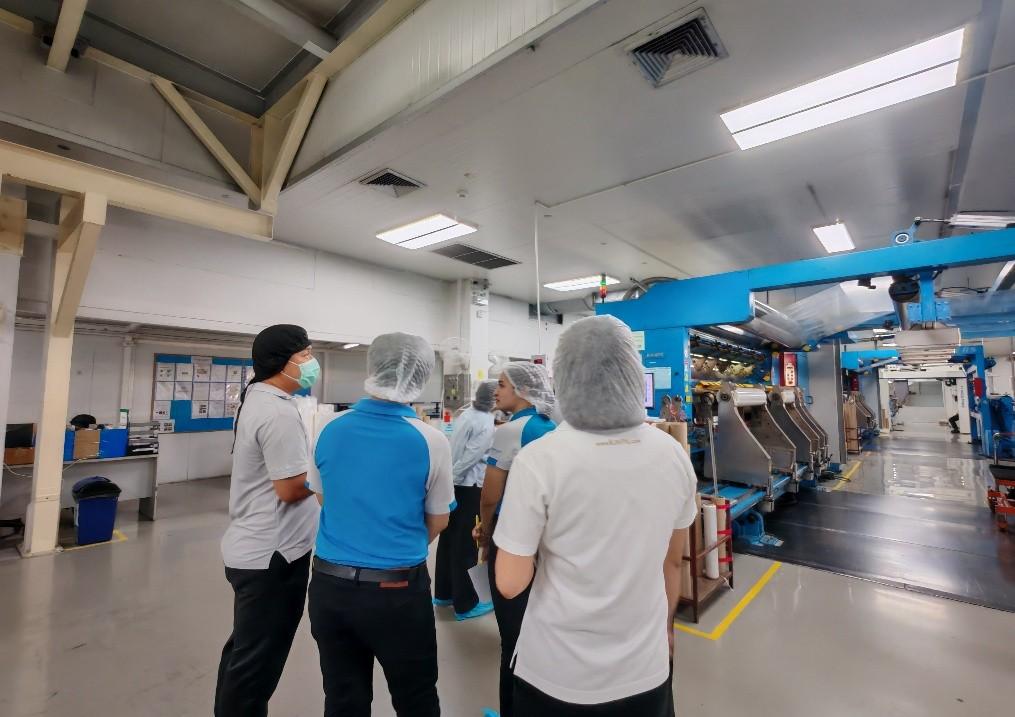
The company welcomes customers to visit its in-house production processes to build confidence in its high-quality and safe manufacturing standards. All operations are conducted under stringent quality control systems and comply with certified international standards. During the visit, customers receive information about the production process, from raw material selection and production control to pre-shipment quality inspection. Concurrently, the company also has the opportunity to closely listen to customer feedback, suggestions, and additional requirements, which will be used to further develop and improve products and services. This is crucial for fostering trust, transparency, and strong relationships between the company and its customers, leading to stable cooperation and sustainable mutual growth in the long term.
Development of film products in collaboration with customers
In 2025, the company collaborated with customers to develop environmentally friendly packaging films, focusing on product design that supports mono-material packaging structures, which facilitates efficient recycling. Concurrently, the film's properties were developed to allow sealing at low temperatures, reducing energy consumption in the customers' production processes. As a result, the developed film products can be commercially utilized in the production of truly recyclable packaging.
The company aims to further expand its collaboration with customers in developing additional recyclable packaging films for various applications, to meet customer needs and align with circular economy principles. This will lead to the creation of business value alongside long-term environmental sustainability.
Community & Social — Plan & Guidelines
Has a Community & Social Plan
Yes
Plan Description
Community and Social Development
The company prioritizes sustainable growth with communities and society, alongside creating economic value. This is achieved by implementing projects that concretely enhance the quality of life for communities, aligning with the Sustainable Development Goals (SDGs), specifically Goal 3: Good Health and Well-being, and Goal 17: Partnerships for the Goals.
The company aims to create shared value through supporting education, public health, creating career opportunities, and enhancing the community's capacity for long-term self-reliance, as well as providing assistance in emergency situations and continuously conducting environmental activities. This is achieved by collaborating with government agencies, private sectors, and local organizations to ensure that development truly addresses community needs.
Operational Guidelines
Community Collaboration, by working with local organizations and relevant agencies to develop projects that align with the local context.
Education and Health, supporting activities for child and youth development, as well as promoting community well-being.
Environmental Initiatives: Conservation activities are undertaken, such as mangrove reforestation and supporting natural resource management.
Local Culture: The company supports religious and traditional activities to strengthen community relations.
Participation and Grievances, by establishing transparent, accessible feedback channels with a concrete follow-up system.
Plan Areas
| Plan Area |
|---|
| Education |
| Disadvantaged and vulnerable groups |
| Reducing inequality and promoting social equality |
Community & Social — Targets
Has Set Community & Social Targets
Yes
Targets
| Indicator | Target Areas | Target Year | Target Year — Description |
|---|---|---|---|
| Complaints from the community and society | 3045 · Other name: Complaints from the community and society · Description: Others | 2,025 | Complaints from the community and society are zero. |
Community & Social — Performance & Outcomes
Has Performance Results
Yes
Performance Description
Corporate Social Responsibility (CSR) Projects and Activities for 2025
The Company has continuously implemented social responsibility initiatives with the aim of creating shared value for communities and stakeholders across multiple dimensions, including public health, animal welfare, support for underprivileged groups, promotion of religion and culture, as well as contributions to public benefit organizations. These efforts reflect the Company’s commitment to enhancing quality of life in society alongside conducting business in a sustainable manner.
1. Animal Welfare and Quality of Life
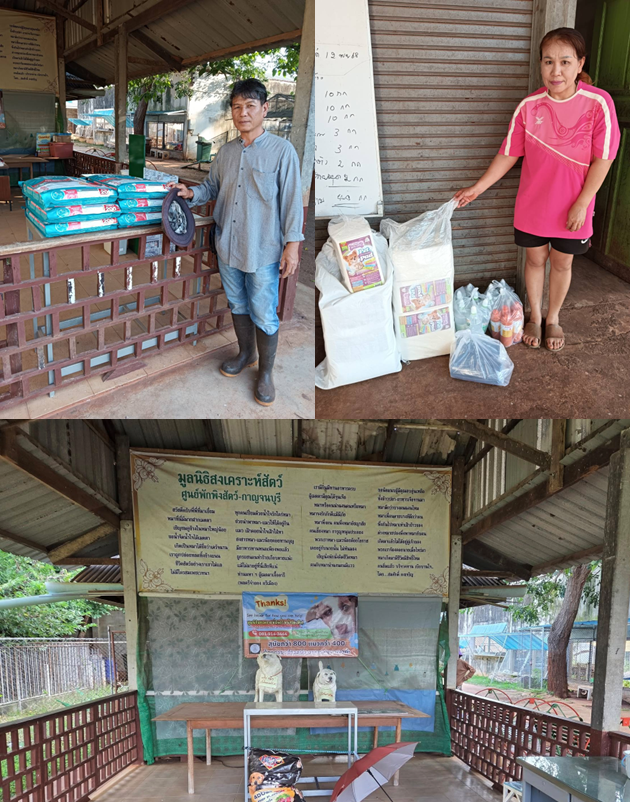
The Company places importance on improving the well-being and quality of life of animals within communities through both financial contributions and the provision of essential supplies.
Donated veterinary medicines and animal food to animal welfare foundations, including Wat Suea Animal Welfare Foundation
Supported the care of stray animals through initiatives such as cat sterilization programs, provision of essential equipment (e.g., cages and animal food), and financial support for feeding stray dogs and cats through local caretakers
These animal welfare activities aim to address stray animal issues in a sustainable manner by controlling animal populations through sterilization, alongside promoting proper care and management. This helps reduce public health risks within communities while enhancing the well-being of both animals and local residents.
These initiatives are aligned with SDG 3: Good Health and Well-Being.
2. Disaster Relief and Support for Underprivileged Groups
The Company actively contributes to improving the quality of life of communities and alleviating hardship during crises and emergency situations by providing both financial support and essential supplies. These efforts help ease the burden on affected individuals while strengthening community resilience during challenging times. Such initiatives reflect the Company’s commitment to social responsibility and are aligned with SDG 3: Good Health and Well-Being and SDG 11: Sustainable Cities and Communities.
Provided financial donations to support victims affected by the Thai–Cambodian border situation, in collaboration with the Thai Red Cross Societ
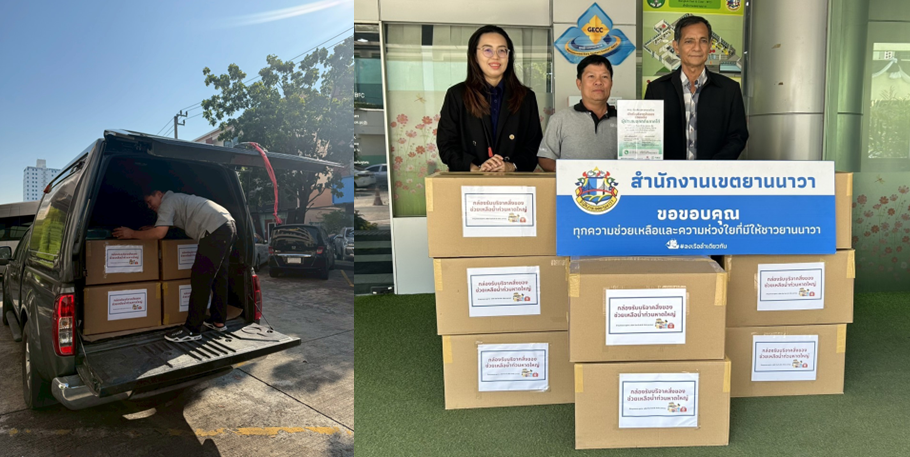
Donated essential supplies to assist flood victims in Hat Yai District, Songkhla Province
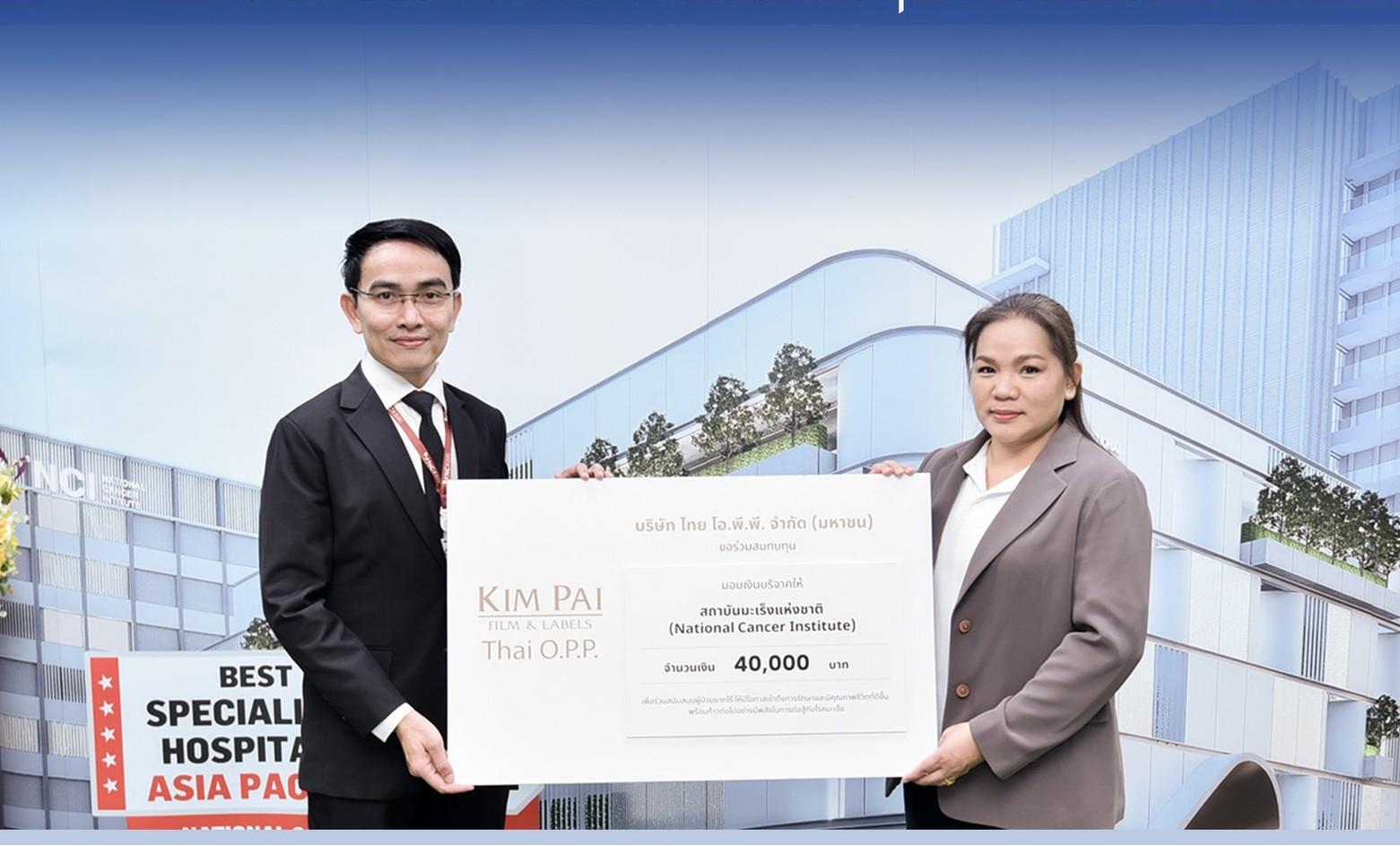
Provided financial support to assist underprivileged patients at the National Cancer Institute
3. Health Promotion and Social Engagement
The company promotes employee and community participation through activities that support health and helping others, such as sponsoring charity running events and blood donation drives. These initiatives help increase patients' access to medical treatment and foster a culture of giving within the organization. Such activities align with SDG 3: Good Health and Well-Being.
Sponsored the charity running event "48th Anniversary Dokbua Khu Mini Marathon 2025"
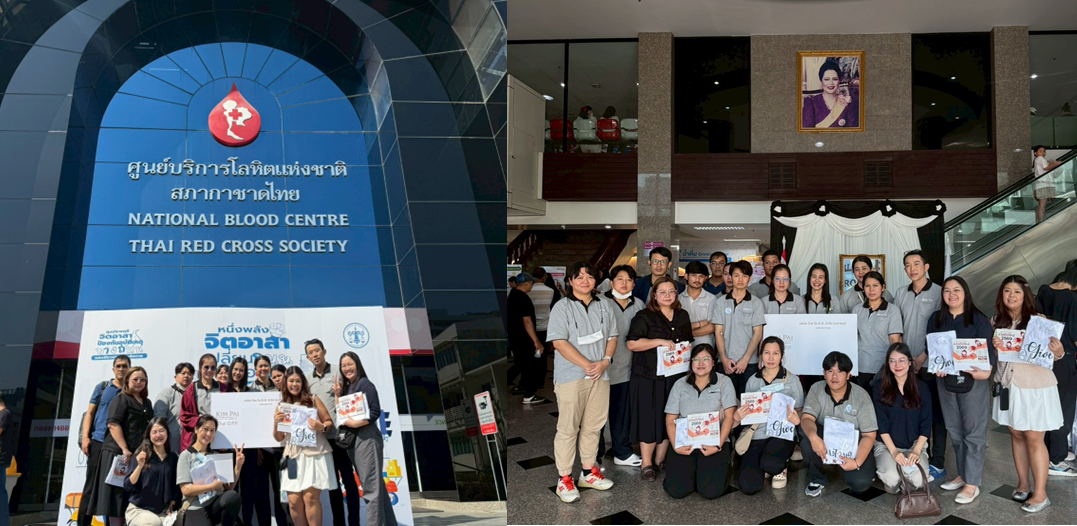
Participated in a blood donation activity with the Thai Red Cross Society to increase blood reserves for patients during extended public holidays
4. Religious and Cultural Promotion
The company actively participates in preserving Thai customs and traditions, while simultaneously strengthening relationships with communities, customers, and business partners through support for and participation in local religious and cultural activities. These efforts not only help conserve and perpetuate the cherished cultural heritage of Thai society, but also serve as a vital mechanism for building trust, deepening bonds, and enhancing long-term collaboration among stakeholders. This approach aligns with SDG 17: Partnerships for the Goals, as demonstrated through participation in the Kathin merit-making ceremony together with customers and business partners.
5. Support for Public Benefit Organizations
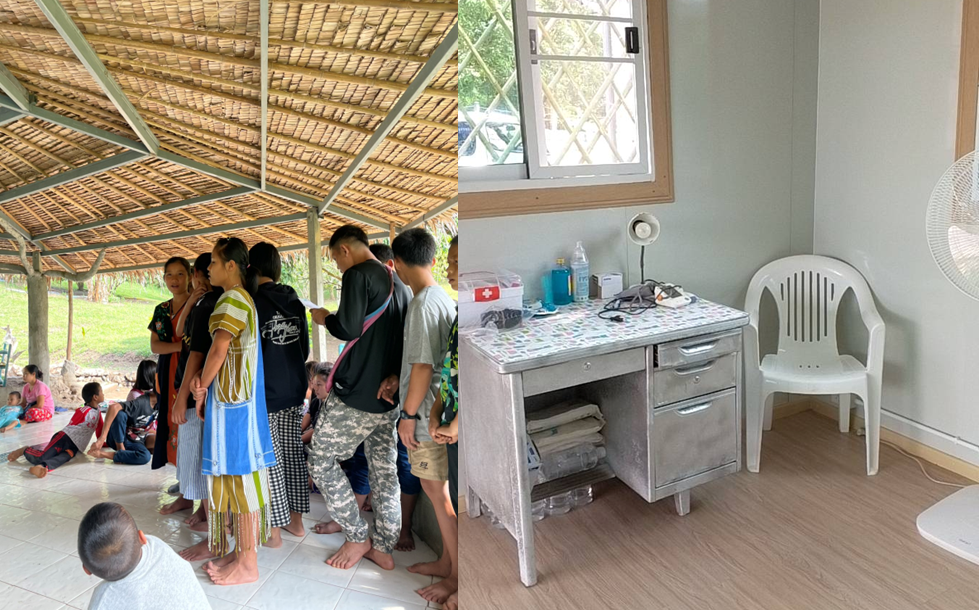
The company provides support to Bamboo School, an educational institution serving stateless children and underprivileged youth in the Thai–Myanmar border area, with a focus on creating educational opportunities and sustainably improving quality of life. The support encompasses both monetary donations and essential supplies, such as health equipment and products. These activities reflect a commitment to reducing inequality and align with SDG 4: Quality Education and SDG 10: Reduced Inequalities.
Donated funds and supplies to Bamboo School — a school that cares for and provides education to stateless and underprivileged children in the Thai–Myanmar border region — with continuous support provided throughout the year.
The support included monetary donations, essential equipment such as carbon filter cartridges, as well as dietary supplements and vitamins to promote the quality of life, hygiene, and health of the children and those under the school's care.
Law Violation Incidents
Law Violation Incidents
| Metric | Current Year | Previous Year | Two Years Ago |
|---|---|---|---|
| The total number of cases or incidents of significant violations of laws or regulations regarding social and human rights (Cases) | 0 | 0 | 0 |
| The total number of cases or incidents that cause significant labor disputes (Cases) | 0 | 0 | 0 |
| The total number of cases or complaints related to consumer rights violations (Cases) | 0 | 0 | 0 |
| The total number of cases or complaints related to partner rights violations (Cases) | 0 | 0 | 0 |
| The total number of cases or incidents that cause disputes with the community/society (Cases) | 0 | 0 | 0 |
| The total number of cases or incidents related to cyber security or customer data breaches (Cases) | 0 | 0 | 0 |
| The total number of cases or incidents related to safety and occupational health at work (Cases) | 0 | 0 | 0 |